Sustainable Irrigation Management: The Role of FlowMeter
FlowMeters transform irrigation by enabling precise water measurement, reducing waste, and optimizing crop yields. Tools like Doktar’s FlowMeter empower farmers to enhance water-use efficiency, conserve resources, and lower costs. By integrating FlowMeters into modern farming, agribusinesses achieve sustainable irrigation solutions, address environmental challenges, and ensure long-term agricultural resilience.
Water is one of the most precious resources in agriculture, and its efficient use is crucial for achieving sustainability in farming. With the increasing strain on water supplies due to climate change and growing population demands, sustainable irrigation practices have become essential for agribusiness leaders and sustainability managers. Significantly advanced tools to measure water usage are indispensable for optimizing irrigation and water management. This blog explores how Doktar'sa FlowMeter plays a pivotal role in sustainable irrigation, its benefits, and the transformative impact it can have on modern agriculture practices.
Sustainable Irrigation Practices
Sustainable irrigation practices optimize water use to maintain crop productivity while minimizing environmental harm. Traditional irrigation methods often lead to significant water waste due to inefficiencies in distribution and application. These practices deplete water resources and increase farming costs, making agriculture less sustainable in the long run.
Adopting irrigation automation, flow rate monitoring, and smart irrigation solutions helps farmers manage water more effectively. Advanced tools, like FlowMeter, provide precise water usage measurements, ensuring that only the necessary amount of water reaches crops. This level of control decreases waste, enhances water-use efficiency, and promotes sustainable crop production. Furthermore, these techniques align with global efforts to conserve water and reduce the carbon footprint of agriculture operations.
Understanding FlowMeter and Its Function in Irrigation
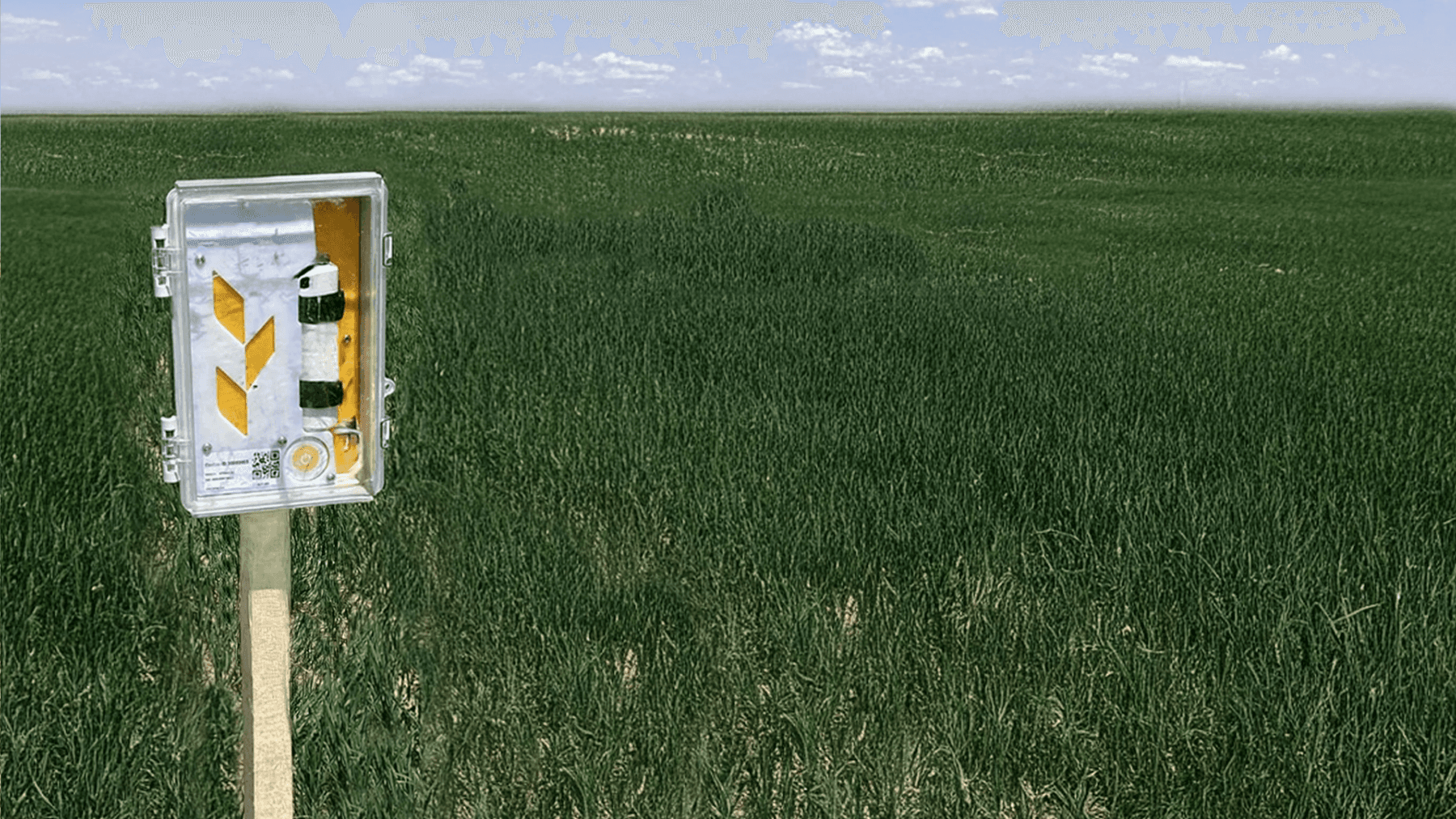
FlowMeter measures the volume of water flowing through an irrigation system. It uses advanced flow measurement technology to provide real-time data on water usage and enables farmers to monitor and manage their irrigation systems by accurately quantifying water flow.
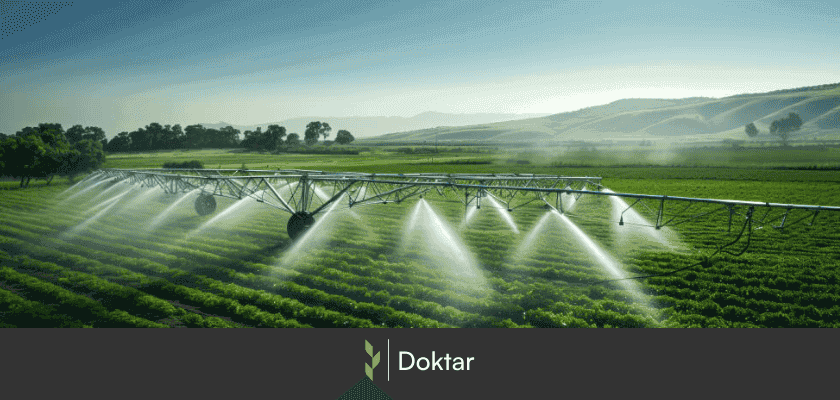
FlowMeter is especially advantageous for automated irrigation systems, where water distribution is electronically regulated. For instance, in a drip irrigation system, it can be installed at the main water supply to measure the total water usage; in a pivot irrigation system, flow meters can be placed at various points to monitor water distribution. Farmers can track water consumption, identify inefficiencies, incorporate a flow meter into their systems, and ensure consistent water distribution across their fields. Digital flow meters enhance functionality by offering connectivity to mobile apps and cloud platforms, allowing for remote monitoring and data analysis. This makes flow meters essential for achieving sustainable irrigation solutions.
Optimizing Water Usage with FlowMeter
Monitoring water flow in real time enables farmers to optimize their irrigation practices. Flow meters provide critical insights into water consumption patterns, helping identify areas of over- or under-irrigation. By addressing these issues, farmers can ensure efficient water use and maintain soil health, vital for sustainable crop production.
For instance, a farmer using a FlowMeter with soil moisture sensors can determine when and how much water is needed for a specific crop. This minimizes the risk of waterlogging or drought stress, which can adversely affect crop yields. Furthermore, the data collected by flow meter can be used to implement water conservation techniques, such as reducing irrigation frequency during rainy periods or optimizing irrigation schedules for different crop zones.
Flow meters also help reduce water waste by identifying leaks or inefficiencies in irrigation systems. For example, a sudden drop in the water flow rate recorded by a FlowMeter could indicate a leak in the system, prompting immediate action to prevent water loss. Early detection of these issues can save substantial water and lower operational costs. As water resources become increasingly scarce, the role of flow meters in promoting agricultural water efficiency will become increasingly important.
The Environmental and Economic Impact of FlowMeter in Farming
The use of FlowMeter goes beyond water management; it has significant environmental and economic implications. Flow meters help reduce farming operations' ecological footprint by enabling sustainable irrigation systems. Efficient water usage minimizes runoff, which often carries fertilizers and pesticides into nearby water bodies, polluting them. This supports broader environmental goals and aligns with sustainability certifications sought by agribusinesses. In terms of economics, flow meters can lead to substantial cost savings. By providing accurate data on water usage, farmers can eliminate unnecessary expenses related to overirrigation. This is especially crucial for regions with high water costs or farmers dependent on pumped water, which consumes additional energy.
Flow meters can lead to substantial economic cost savings. By providing accurate data on water usage, farmers can eliminate unnecessary expenses related to overirrigation. This is especially crucial for regions with high water costs or farmers dependent on pumped water, which consumes additional energy. Through smart farming practices that incorporate flow meters, farmers can achieve both environmental sustainability and financial viability, instilling confidence in their investment.
Furthermore, FlowMeter enhances long-term resilience by promoting better resource management. Improved irrigation water management allows farms to adapt to changing climate conditions, ensuring consistent crop yields despite water shortage and scarcity. This fosters a sense of security about your future in the face of climate change.
Conclusion: Improving Irrigation Management with Doktar
Irrigation efficiency is limited by what is measured. Without volumetric records at the point of application, water use remains an estimate, and estimates cannot be optimized, audited, or defended to a regulator or a buyer.
Doktar's digital FlowMeter closes that gap through pulse-based flow monitoring installed directly on irrigation infrastructure, delivering:
Flow rate tracking during application, showing whether a system is operating at design pressure or losing performance
Total applied volume recorded per event, per parcel, and per season, establishing the baseline every efficiency claim is measured against
Anomaly detection for leaks, blockages, and unrecorded withdrawal, surfacing losses that remain invisible in scheduled irrigation
Traceable water use records structured for ESG disclosure, water stewardship reporting, and volumetric benefit accounting
Integrated into Doktar App alongside field sensing and AI-driven scheduling, metered data moves irrigation from routine to evidence-based operation. Agribusinesses operating under water allocation limits, sourcing requirements, or net-zero water commitments gain the volumetric foundation those obligations demand, while protecting yield. As water scarcity tightens across production geographies, measured application remains the precondition for both resilience and compliance.
Explore Doktar's end-to-end solution framework here.
Water is one of the most precious resources in agriculture, and its efficient use is crucial for achieving sustainability in farming. With the increasing strain on water supplies due to climate change and growing population demands, sustainable irrigation practices have become essential for agribusiness leaders and sustainability managers. Significantly advanced tools to measure water usage are indispensable for optimizing irrigation and water management. This blog explores how Doktar'sa FlowMeter plays a pivotal role in sustainable irrigation, its benefits, and the transformative impact it can have on modern agriculture practices.
Sustainable Irrigation Practices
Sustainable irrigation practices optimize water use to maintain crop productivity while minimizing environmental harm. Traditional irrigation methods often lead to significant water waste due to inefficiencies in distribution and application. These practices deplete water resources and increase farming costs, making agriculture less sustainable in the long run.
Adopting irrigation automation, flow rate monitoring, and smart irrigation solutions helps farmers manage water more effectively. Advanced tools, like FlowMeter, provide precise water usage measurements, ensuring that only the necessary amount of water reaches crops. This level of control decreases waste, enhances water-use efficiency, and promotes sustainable crop production. Furthermore, these techniques align with global efforts to conserve water and reduce the carbon footprint of agriculture operations.
Understanding FlowMeter and Its Function in Irrigation
FlowMeter measures the volume of water flowing through an irrigation system. It uses advanced flow measurement technology to provide real-time data on water usage and enables farmers to monitor and manage their irrigation systems by accurately quantifying water flow.
FlowMeter is especially advantageous for automated irrigation systems, where water distribution is electronically regulated. For instance, in a drip irrigation system, it can be installed at the main water supply to measure the total water usage; in a pivot irrigation system, flow meters can be placed at various points to monitor water distribution. Farmers can track water consumption, identify inefficiencies, incorporate a flow meter into their systems, and ensure consistent water distribution across their fields. Digital flow meters enhance functionality by offering connectivity to mobile apps and cloud platforms, allowing for remote monitoring and data analysis. This makes flow meters essential for achieving sustainable irrigation solutions.
Optimizing Water Usage with FlowMeter
Monitoring water flow in real time enables farmers to optimize their irrigation practices. Flow meters provide critical insights into water consumption patterns, helping identify areas of over- or under-irrigation. By addressing these issues, farmers can ensure efficient water use and maintain soil health, vital for sustainable crop production.
For instance, a farmer using a FlowMeter with soil moisture sensors can determine when and how much water is needed for a specific crop. This minimizes the risk of waterlogging or drought stress, which can adversely affect crop yields. Furthermore, the data collected by flow meter can be used to implement water conservation techniques, such as reducing irrigation frequency during rainy periods or optimizing irrigation schedules for different crop zones.
Flow meters also help reduce water waste by identifying leaks or inefficiencies in irrigation systems. For example, a sudden drop in the water flow rate recorded by a FlowMeter could indicate a leak in the system, prompting immediate action to prevent water loss. Early detection of these issues can save substantial water and lower operational costs. As water resources become increasingly scarce, the role of flow meters in promoting agricultural water efficiency will become increasingly important.
The Environmental and Economic Impact of FlowMeter in Farming
The use of FlowMeter goes beyond water management; it has significant environmental and economic implications. Flow meters help reduce farming operations' ecological footprint by enabling sustainable irrigation systems. Efficient water usage minimizes runoff, which often carries fertilizers and pesticides into nearby water bodies, polluting them. This supports broader environmental goals and aligns with sustainability certifications sought by agribusinesses. In terms of economics, flow meters can lead to substantial cost savings. By providing accurate data on water usage, farmers can eliminate unnecessary expenses related to overirrigation. This is especially crucial for regions with high water costs or farmers dependent on pumped water, which consumes additional energy.
Flow meters can lead to substantial economic cost savings. By providing accurate data on water usage, farmers can eliminate unnecessary expenses related to overirrigation. This is especially crucial for regions with high water costs or farmers dependent on pumped water, which consumes additional energy. Through smart farming practices that incorporate flow meters, farmers can achieve both environmental sustainability and financial viability, instilling confidence in their investment.
Furthermore, FlowMeter enhances long-term resilience by promoting better resource management. Improved irrigation water management allows farms to adapt to changing climate conditions, ensuring consistent crop yields despite water shortage and scarcity. This fosters a sense of security about your future in the face of climate change.
Conclusion: Improving Irrigation Management with Doktar
Irrigation efficiency is limited by what is measured. Without volumetric records at the point of application, water use remains an estimate, and estimates cannot be optimized, audited, or defended to a regulator or a buyer.
Doktar's digital FlowMeter closes that gap through pulse-based flow monitoring installed directly on irrigation infrastructure, delivering:
Flow rate tracking during application, showing whether a system is operating at design pressure or losing performance
Total applied volume recorded per event, per parcel, and per season, establishing the baseline every efficiency claim is measured against
Anomaly detection for leaks, blockages, and unrecorded withdrawal, surfacing losses that remain invisible in scheduled irrigation
Traceable water use records structured for ESG disclosure, water stewardship reporting, and volumetric benefit accounting
Integrated into Doktar App alongside field sensing and AI-driven scheduling, metered data moves irrigation from routine to evidence-based operation. Agribusinesses operating under water allocation limits, sourcing requirements, or net-zero water commitments gain the volumetric foundation those obligations demand, while protecting yield. As water scarcity tightens across production geographies, measured application remains the precondition for both resilience and compliance.
Explore Doktar's end-to-end solution framework here.