Data-Driven Solutions for Agricultural Input Manufacturers
Data-Driven Solutions for Agricultural Input Manufacturers
Doktar equips input manufacturers with the tools to sell smarter.
Our technology maps your addressable market at parcel level, matches your fertilizer portfolio to real soil conditions, and identifies active pest pressure that demands your crop protection products. Every recommendation is grounded in field data, building the farmer trust that converts into repeat purchases and long-term loyalty.
Observe & Measure Market Potential
Track Field Data with Precision
Optimize with Confidence
Map What is Planted Where and When
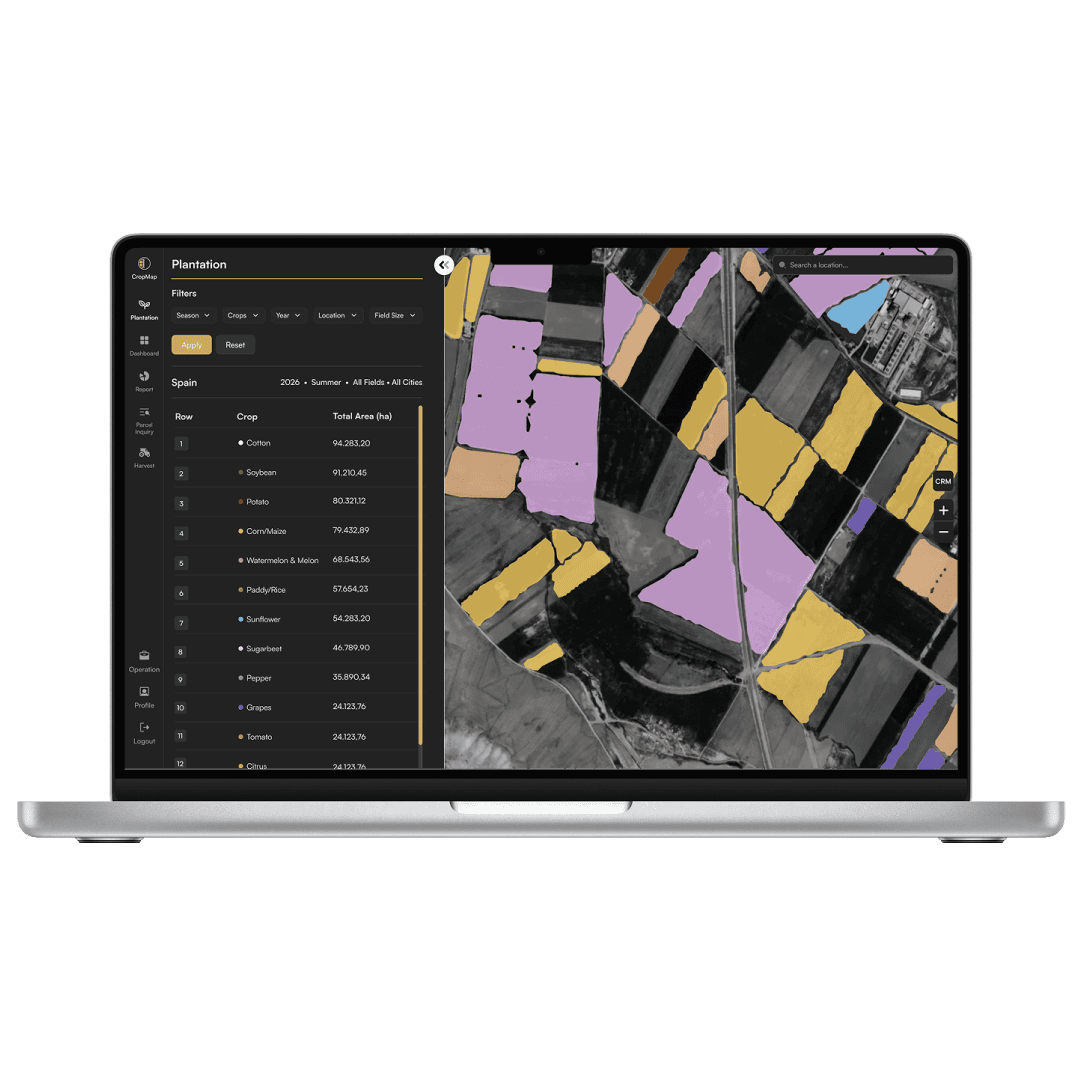
Effective product distribution starts with knowing which crops are in the ground, where, and at what scale. AI-powered satellite analysis identifies crop types and field boundaries at the parcel level, providing the regional planting intelligence needed to align distribution with actual demand.
Crop type identification and field boundaries quantifying total addressable market
Seasonal planting data aligning distribution with application windows
Historical patterns revealing crop selection shifts across regions
Map What is Planted Where and When
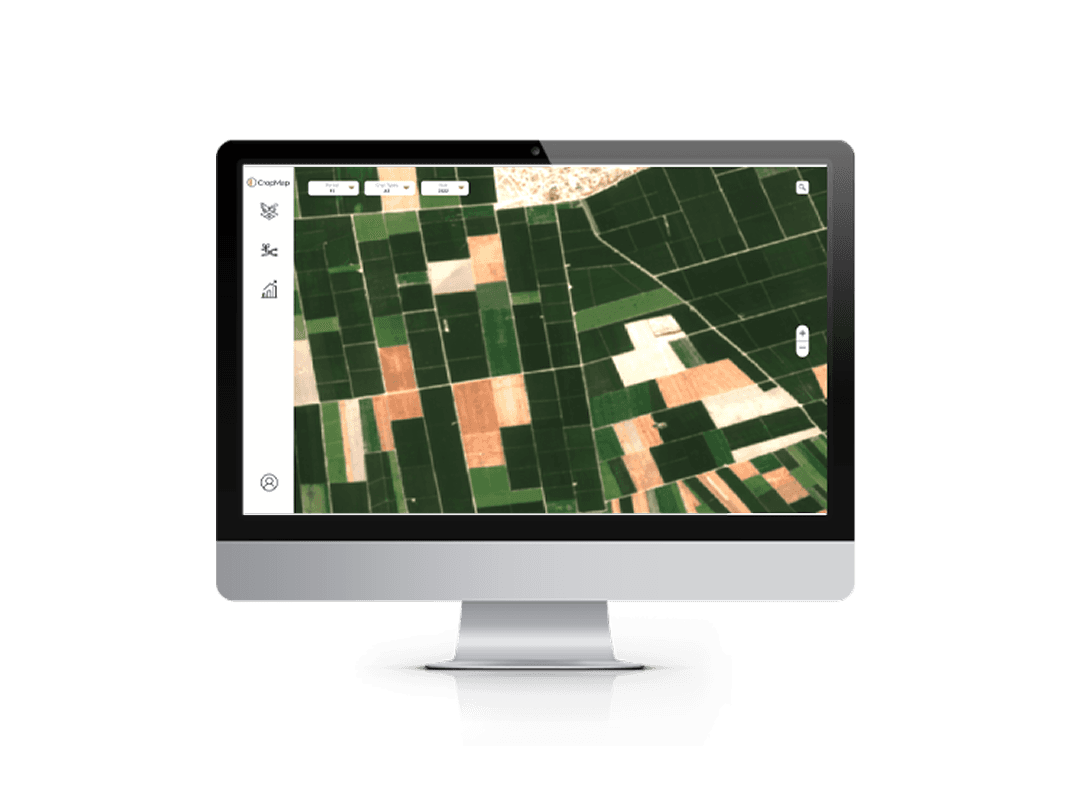
Effective product distribution starts with knowing which crops are in the ground, where, and at what scale. AI-powered satellite analysis identifies crop types and field boundaries at the parcel level, providing the regional planting intelligence needed to align distribution with actual demand.
Crop type identification and field boundaries quantifying total addressable market
Seasonal planting data aligning distribution with application windows
Historical patterns revealing crop selection shifts across regions
Map What is Planted Where and When
Effective product distribution starts with knowing which crops are in the ground, where, and at what scale. AI-powered satellite analysis identifies crop types and field boundaries at the parcel level, providing the regional planting intelligence needed to align distribution with actual demand.
Crop type identification and field boundaries quantifying total addressable market
Seasonal planting data aligning distribution with application windows
Historical patterns revealing crop selection shifts across regions
Strengthen Farmer Relationships Through Digital Agronomic Services
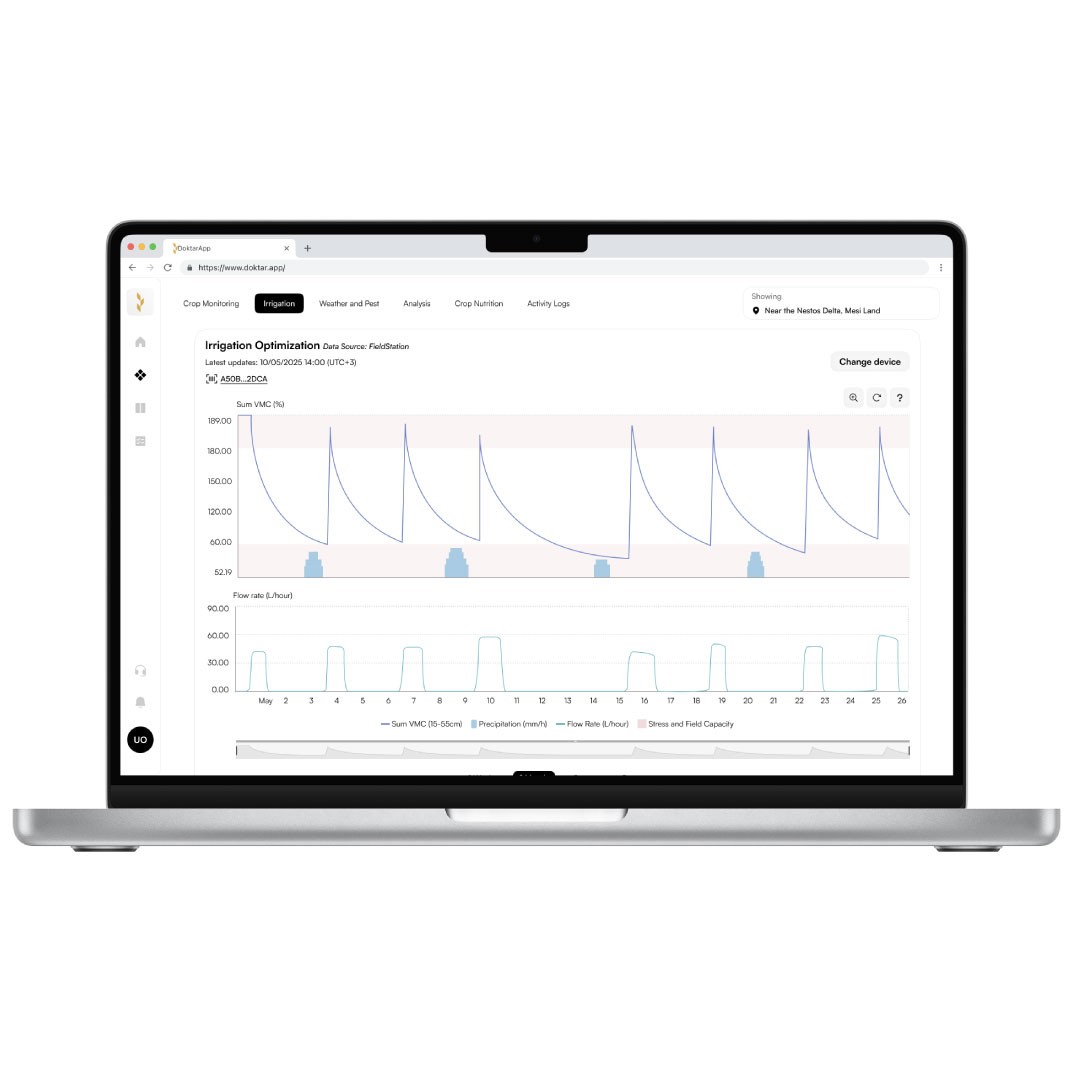
Farmer loyalty extends beyond the product itself. Offering access to crop monitoring, risk alerts, and agronomic recommendations alongside input products positions your brand as a long-term operational partner rather than a transactional supplier.
Co-branded digital tools keeping your brand present throughout the season
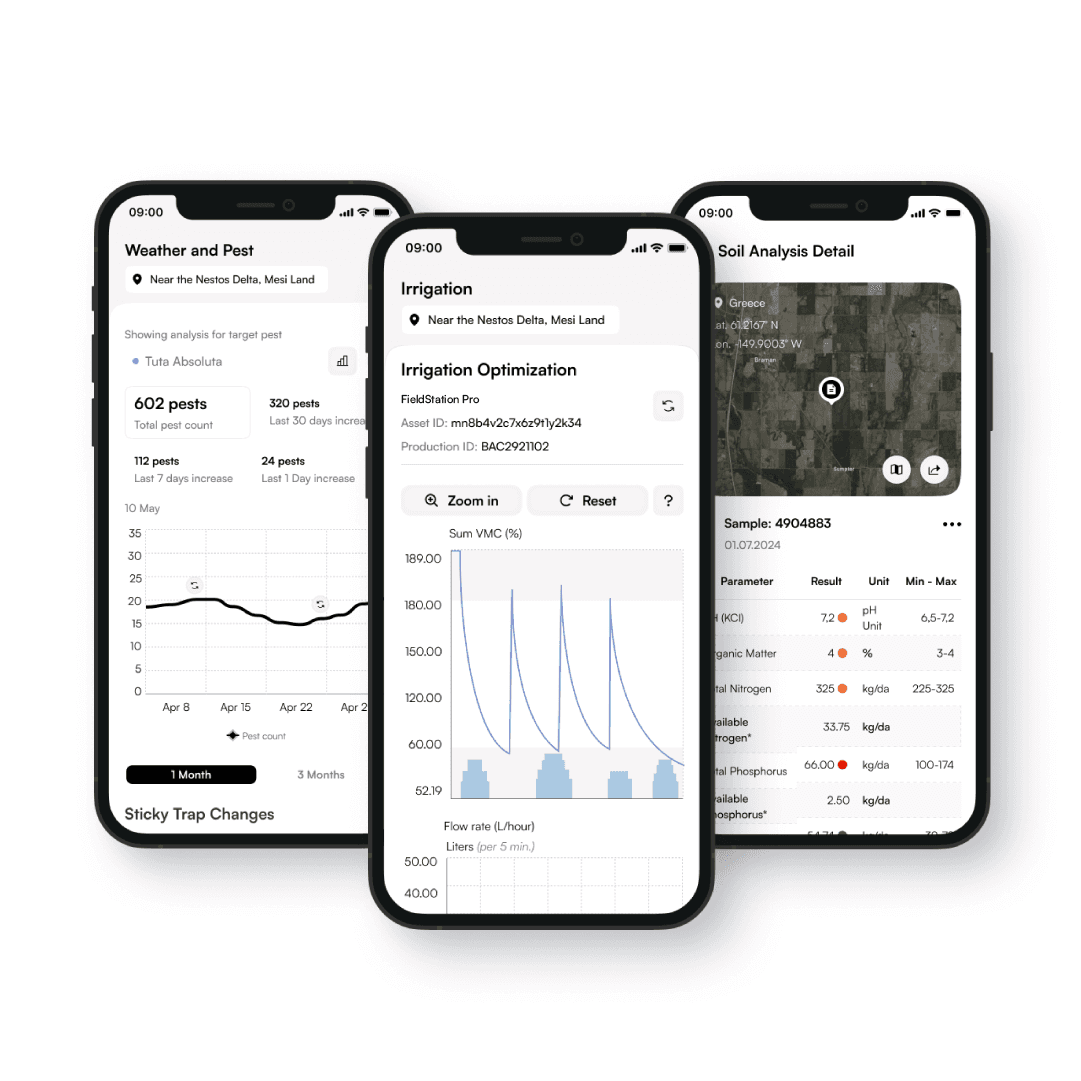
Crop health, pest, and irrigation guidance contextualizing your products in daily operations
Digital engagement converting one-time purchases into recurring relationships
Strengthen Farmer Relationships Through Digital Agronomic Services
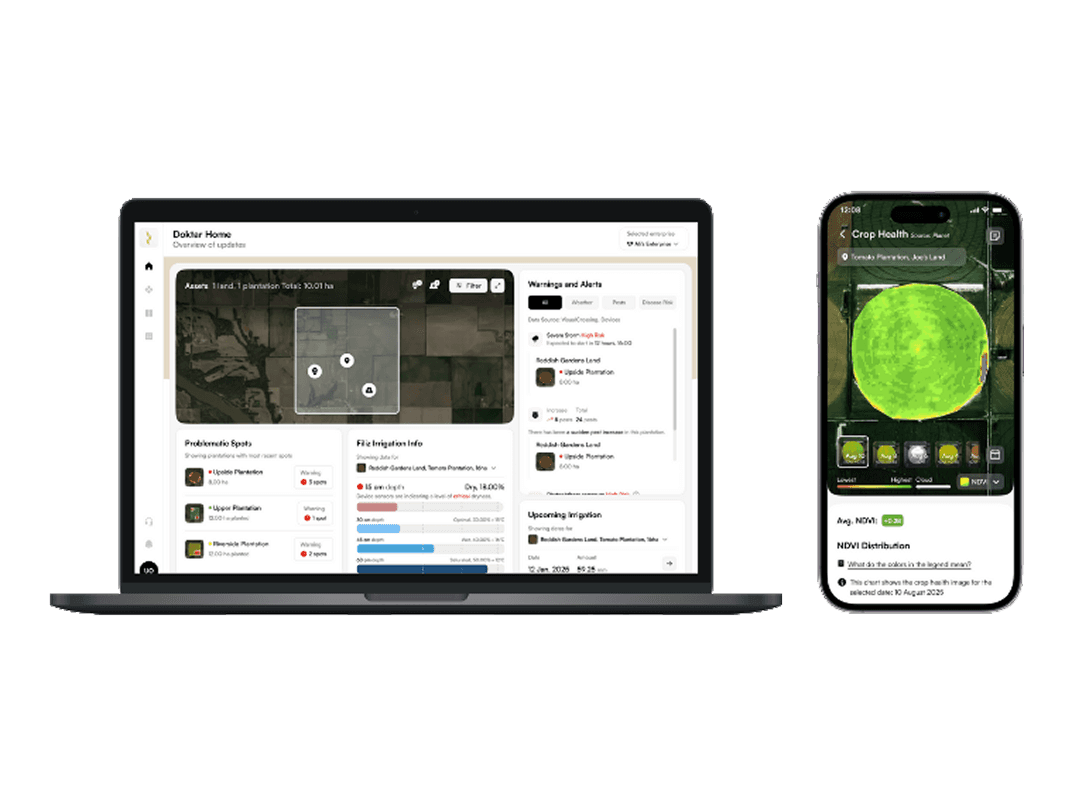
Farmer loyalty extends beyond the product itself. Offering access to crop monitoring, risk alerts, and agronomic recommendations alongside input products positions your brand as a long-term operational partner rather than a transactional supplier.
Co-branded digital tools keeping your brand present throughout the season
Crop health, pest, and irrigation guidance contextualizing your products in daily operations
Digital engagement converting one-time purchases into recurring relationships
Strengthen Farmer Relationships Through Digital Agronomic Services
Farmer loyalty extends beyond the product itself. Offering access to crop monitoring, risk alerts, and agronomic recommendations alongside input products positions your brand as a long-term operational partner rather than a transactional supplier.
Co-branded digital tools keeping your brand present throughout the season
Crop health, pest, and irrigation guidance contextualizing your products in daily operations
Digital engagement converting one-time purchases into recurring relationships
Validate Product Efficacy with Field-level Data
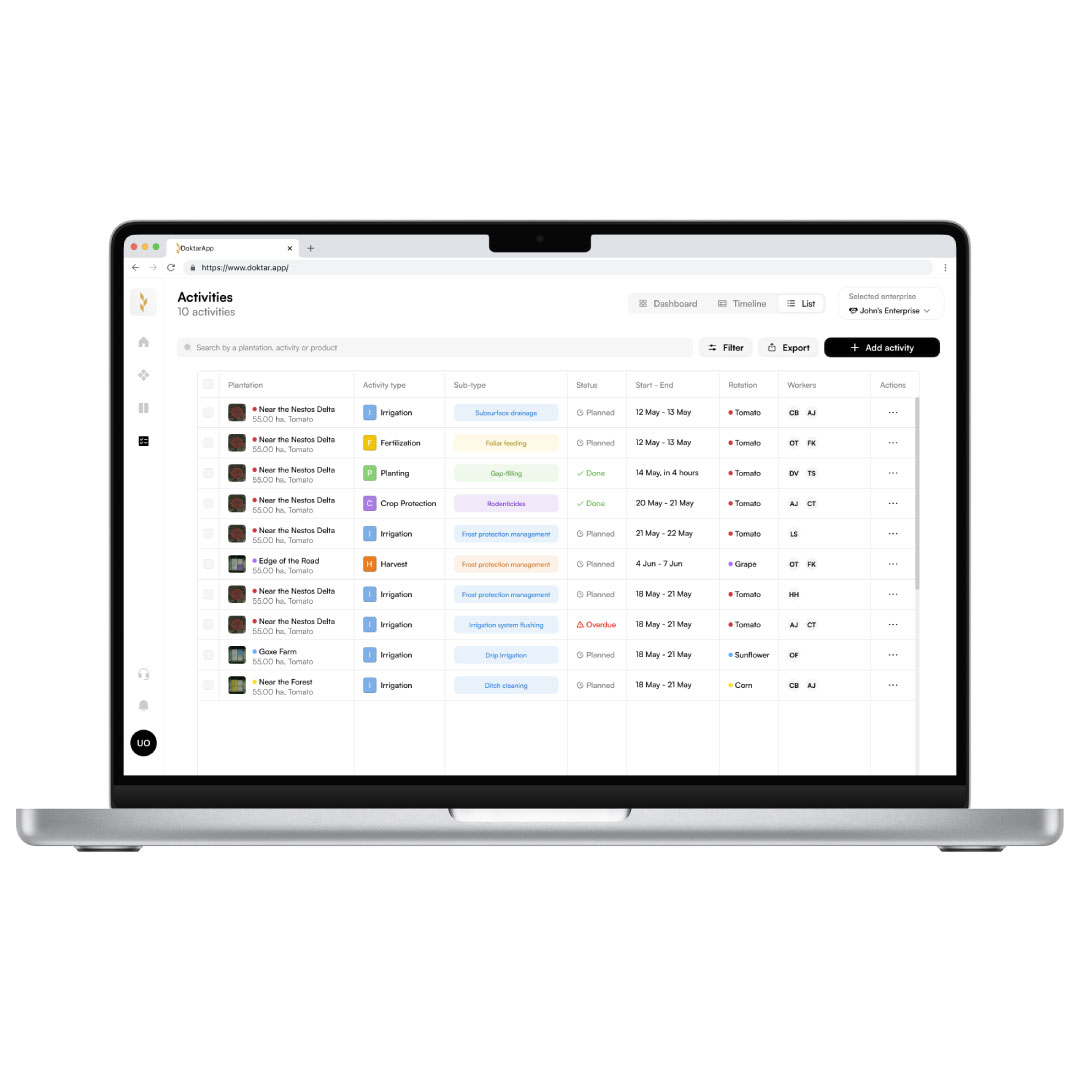
Marketing claims backed by field-measured outcomes carry more weight than laboratory results alone. Correlating input application records with yield data, pest population trends, and environmental conditions produces evidence-based product performance insights.
Activity logs recording when, where, and how much is applied per field
Yield and environmental data linked to applications for measurable efficacy evidence
Performance data supporting regulatory submissions and distributor presentations
Validate Product Efficacy with Field-level Data
Marketing claims backed by field-measured outcomes carry more weight than laboratory results alone. Correlating input application records with yield data, pest population trends, and environmental conditions produces evidence-based product performance insights.
Activity logs recording when, where, and how much is applied per field
Yield and environmental data linked to applications for measurable efficacy evidence
Performance data supporting regulatory submissions and distributor presentations
Validate Product Efficacy with Field-level Data
Marketing claims backed by field-measured outcomes carry more weight than laboratory results alone. Correlating input application records with yield data, pest population trends, and environmental conditions produces evidence-based product performance insights.
Activity logs recording when, where, and how much is applied per field
Yield and environmental data linked to applications for measurable efficacy evidence
Performance data supporting regulatory submissions and distributor presentations
Ensure Optimized Input Application Through Recommendations
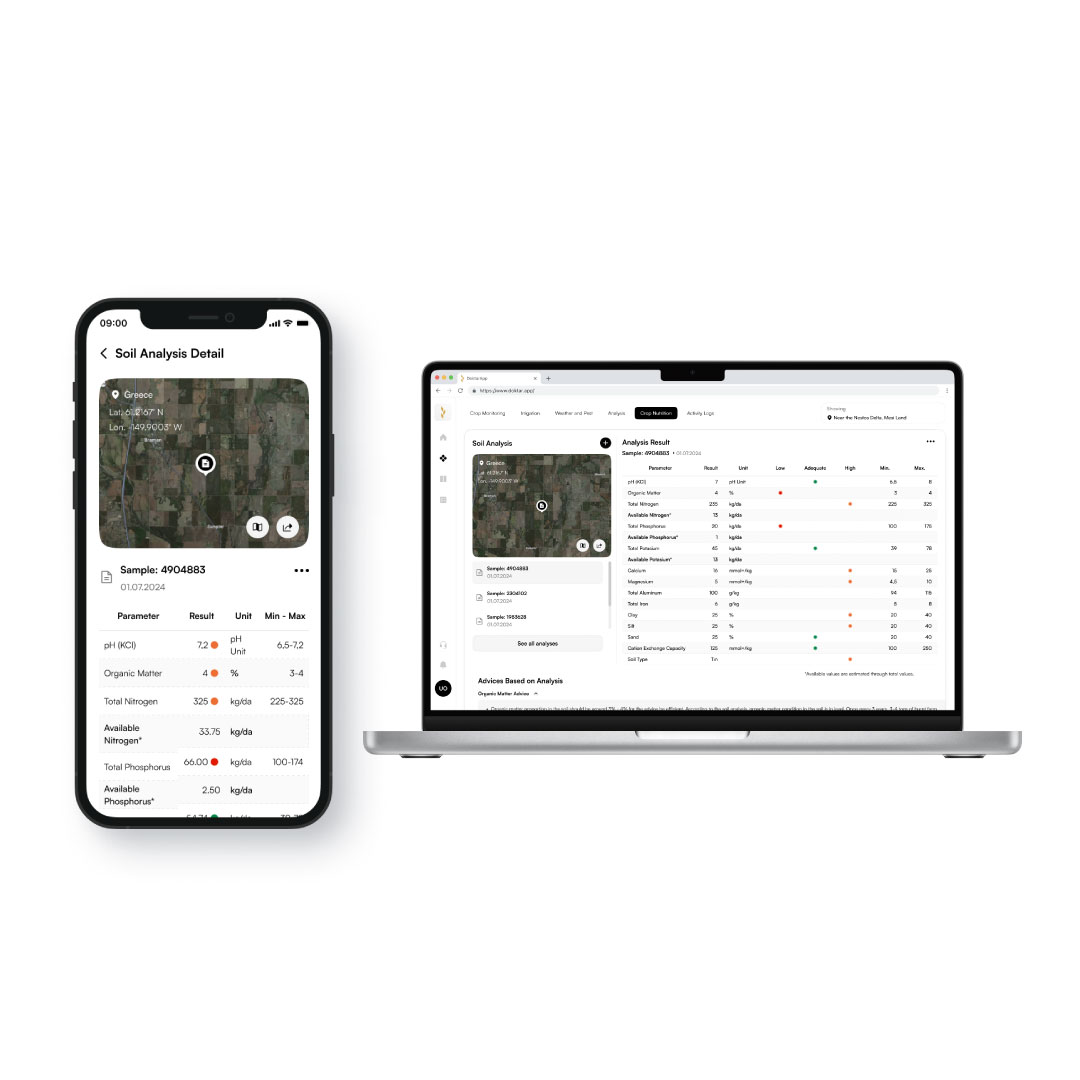
Regulations and buyer expectations increasingly demand proof that agricultural inputs are applied responsibly. Data-driven fertilization programs and targeted pest intervention schedules demonstrate that products are applied at the right rate, time, and location.
Soil analysis-based programs calibrating rates to measured nutrient conditions
VRA maps directing inputs to specific zones, eliminating blanket distribution
Pest alerts triggering recommendations only when thresholds are reached
Ensure Optimized Input Application Through Recommendations
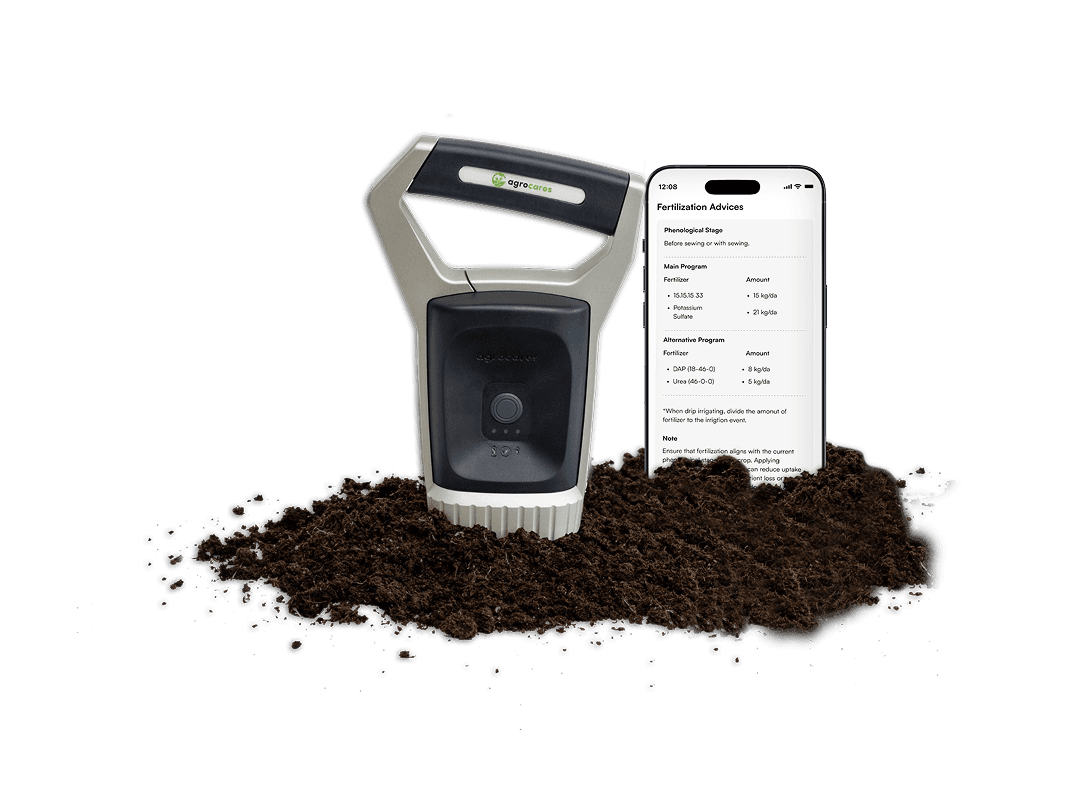
Regulations and buyer expectations increasingly demand proof that agricultural inputs are applied responsibly. Data-driven fertilization programs and targeted pest intervention schedules demonstrate that products are applied at the right rate, time, and location.
Soil analysis-based programs calibrating rates to measured nutrient conditions
VRA maps directing inputs to specific zones, eliminating blanket distribution
Pest alerts triggering recommendations only when thresholds are reached
Ensure Optimized Input Application Through Recommendations
Regulations and buyer expectations increasingly demand proof that agricultural inputs are applied responsibly. Data-driven fertilization programs and targeted pest intervention schedules demonstrate that products are applied at the right rate, time, and location.
Soil analysis-based programs calibrating rates to measured nutrient conditions
VRA maps directing inputs to specific zones, eliminating blanket distribution
Pest alerts triggering recommendations only when thresholds are reached
Access Regional Agricultural Intelligence for Commercial Strategy
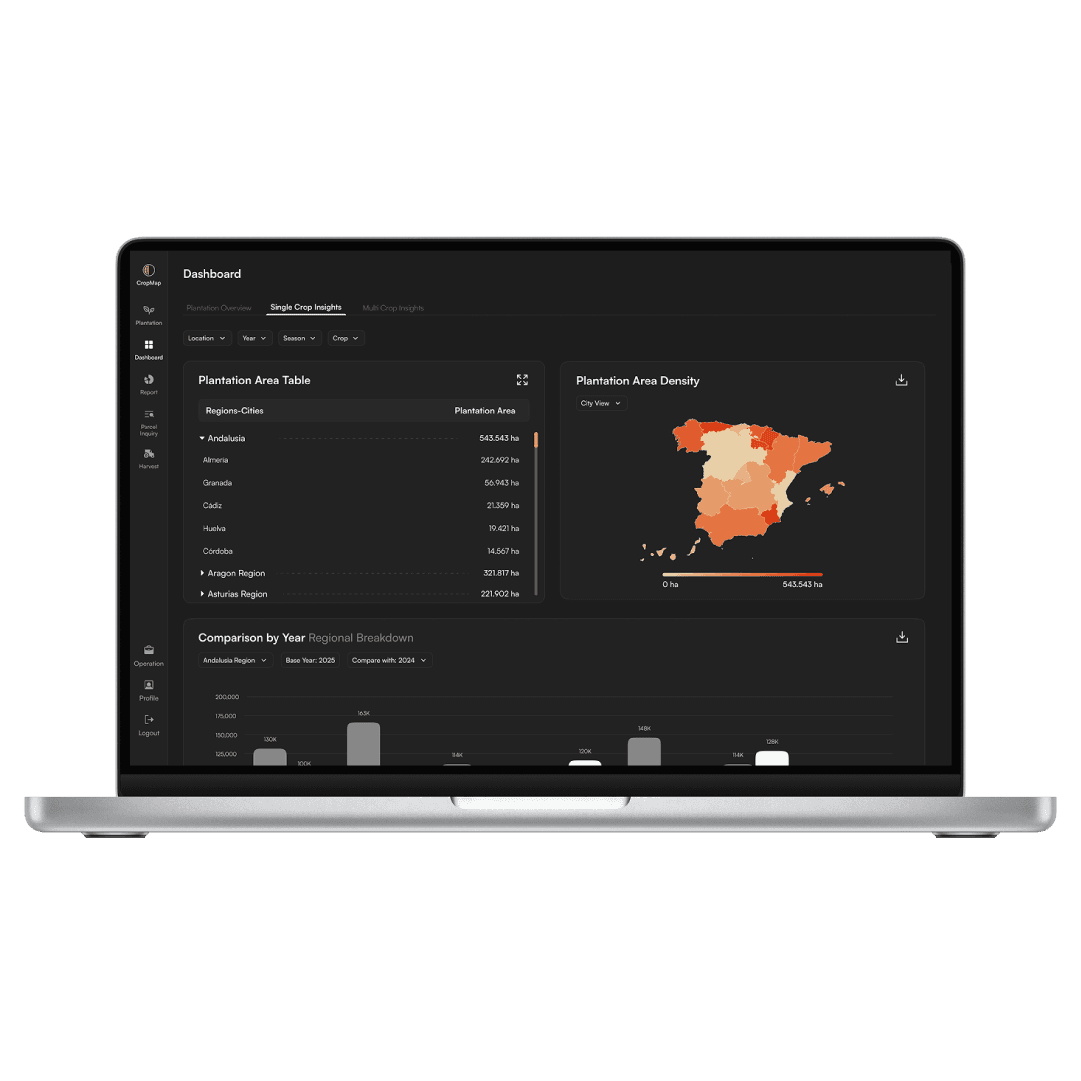
Commercial planning benefits from structured, field-verified data rather than estimated market reports. Crop planting area data and regional adoption metrics support territory planning, business development, and strategic resource allocation.
Verified market sizing by crop type and geography
Multi-season trends revealing shifts in farmer behavior
Adoption data informing partnership and expansion decisions
Access Regional Agricultural Intelligence for Commercial Strategy
Commercial planning benefits from structured, field-verified data rather than estimated market reports. Crop planting area data and regional adoption metrics support territory planning, business development, and strategic resource allocation.
Verified market sizing by crop type and geography
Multi-season trends revealing shifts in farmer behavior
Adoption data informing partnership and expansion decisions
Access Regional Agricultural Intelligence for Commercial Strategy
Commercial planning benefits from structured, field-verified data rather than estimated market reports. Crop planting area data and regional adoption metrics support territory planning, business development, and strategic resource allocation.
Verified market sizing by crop type and geography
Multi-season trends revealing shifts in farmer behavior
Adoption data informing partnership and expansion decisions
Demonstrate Sustainability Alignment & Input Traceability
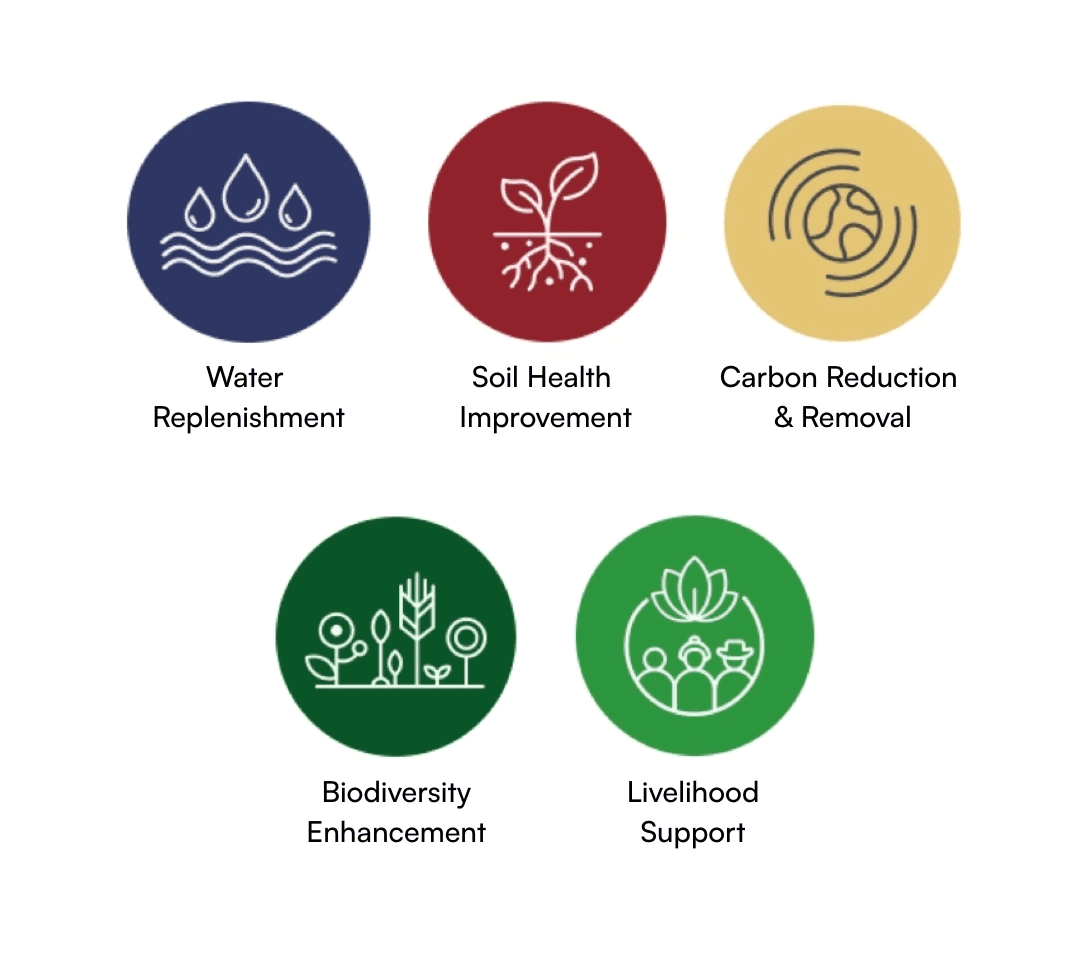
Supply chain partners and end buyers increasingly require documented proof that inputs contribute to sustainability targets. Linking application records to sustainability reporting frameworks provides verifiable evidence of responsible product use.
Application records demonstrating traceability from product to field to outcome
ESG alignment documented through measured practice adoption
Audit-ready reporting for downstream buyer requirements

Demonstrate Sustainability Alignment & Input Traceability
Supply chain partners and end buyers increasingly require documented proof that inputs contribute to sustainability targets. Linking application records to sustainability reporting frameworks provides verifiable evidence of responsible product use.
Application records demonstrating traceability from product to field to outcome
ESG alignment documented through measured practice adoption
Audit-ready reporting for downstream buyer requirements
Demonstrate Sustainability Alignment & Input Traceability
Supply chain partners and end buyers increasingly require documented proof that inputs contribute to sustainability targets. Linking application records to sustainability reporting frameworks provides verifiable evidence of responsible product use.
Application records demonstrating traceability from product to field to outcome
ESG alignment documented through measured practice adoption
Audit-ready reporting for downstream buyer requirements