PestTrap: Advanced Pest Monitoring for Healthier Crops
PestTrap empowers farmers with precise pest monitoring using AI and IoT technologies, reducing pesticide dependency and safeguarding biodiversity. It minimizes costs, boosts crop yields, and integrates seamlessly with Doktar's smart farming tools like Doktar App and FieldStation. By providing actionable insights, PestTrap enhances sustainability and ensures compliance with modern agricultural standards.
Understanding the Importance of Pest Monitoring in Agriculture
Modern agriculture operates at the intersection of increasing global food demand and the need to mitigate environmental harm (FAO, Global Status of Salt-Affected Soils, p. 1). Global food production must increase by 70% to meet the needs of an estimated 10 billion people by 2050. Yet, pests already contribute to yearly losses of up to 40% of crops worldwide (WEF, Food and Water Systems in the Intelligent Age, Chapter 1). These losses highlight the importance of effective pest monitoring and management systems. Without timely detection, infestations escalate, reducing yields and impacting food security (NRDC, Regenerative Agriculture 101).
Pest monitoring systems like Doktar’s digital pest tracking station, PestTrap, not only identify pest populations but also allow targeted intervention, reducing the overuse of pesticides. Excessive pesticide use often harms biodiversity and pollinators like bees, essential for crop productivity. Through more innovative pest monitoring, farmers can protect both crops and ecosystems (Rockefeller Foundation, Regenerative Agriculture Initiatives). Moreover, effective pest monitoring ensures compliance with sustainability certifications, which are increasingly demanded by global consumers (Nestlé, Agriculture Framework, 2024).
Benefits of Using PestTrap for Farmers
PestTrap offers a suite of benefits that address economic efficiency, environmental sustainability, and compliance with modern agricultural standards. By minimizing unnecessary pesticide applications, PestTrap saves farmers significant costs on chemicals and labor. Its precision monitoring allows farmers to identify specific hotspots of pest activity, reducing environmental runoff and preserving soil health. Healthy soils are critical for long-term productivity, particularly in regions prone to degradation or salinization (FAO, Global Status of Salt-Affected Soils, 2024, p. 5).
Farmers using PestTrap report healthier crops and higher yields. This is because targeted interventions prevent extensive crop damage while reducing input waste. These outcomes align with regenerative agricultural practices, which focus on restoring soil health, improving water retention, and enhancing biodiversity. Additionally, PestTrap’s automated alerts save farmers time by eliminating the need for manual pest monitoring. These real-time insights enable quick responses to infestations, ensuring maximum protection for crops (WEF, Food and Water Systems in the Intelligent Age, Chapter 2).
PestTrap in Action
Key Features of PestTrap’s Advanced Monitoring System
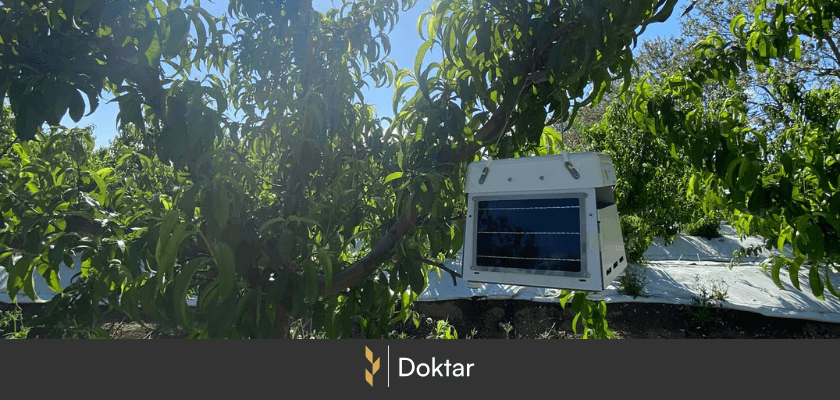
PestTrap integrates cutting-edge technologies to deliver actionable insights. Its AI-powered image recognition system is a game-changer in pest management. The system identifies and categorizes pests with over 90% accuracy by analyzing high-resolution images. This reduces reliance on manual inspections and enables more reliable data-driven decisions.
In addition to detecting pests, PestTrap collects environmental data, such as temperature and humidity, which directly influence pest behavior. These insights help farmers understand the conditions that lead to pest outbreaks, allowing them to adapt their strategies accordingly. The IoTrack app further enhances PestTrap’s usability by providing farmers with intuitive dashboards and alerts. With its inbuilt solar power, PestTrap remains operational in remote areas, aligning with sustainability goals outlined by global initiatives (see: Rockefeller Foundation, Regenerative Agriculture Initiatives).
Integrating PestTrap with Other Smart Farming Tools
PestTrap achieves its full potential when integrated into a broader smart farming ecosystem. Doktar App Field Scouting App complements PestTrap’s data by analyzing satellite imagery to assess crop health. For example, if NDVI imaging detects stress areas, PestTrap data can confirm whether pest activity is the cause. This synergy ensures that interventions are accurate and timely.
Similarly, Doktar’s Agricultural Sensor Station FieldStation provides insights into soil moisture, temperature, and other conditions critical for crop health. Combined with PestTrap, this data enables farmers to optimize irrigation and pest control strategies. Additionally, the integration supports Variable Rate Application (VRA), a method that divides fields into productivity zones. By applying inputs only where needed, farmers save resources and reduce environmental impact, all while maximizing yields.
Frequently Asked Questions
Conclusion
PestTrap exemplifies the future of sustainable agriculture by integrating technology, precision, and environmental responsibility. Its ability to combine real-time monitoring with data-driven insights makes it a vital tool for farmers worldwide. As agriculture continues to evolve, tools like PestTrap ensure that productivity and sustainability go hand in hand. By adopting PestTrap, farmers can protect their crops and contribute to a healthier planet. Discover PestTrap today and take the first step toward smarter and more sustainable farming.
Works Cited
FAO. Global Status of Salt-Affected Soils. Food and Agriculture Organization of the United Nations, 2024.
NRDC. "Regenerative Agriculture 101." Natural Resources Defense Council, 2024.
Nestlé. Agriculture Framework. Nestlé, 2024.
Rockefeller Foundation. "Regenerative Agriculture Initiatives." Rockefeller Foundation, 2024.
World Economic Forum (WEF). Food and Water Systems in the Intelligent Age, 2024.
Understanding the Importance of Pest Monitoring in Agriculture
Modern agriculture operates at the intersection of increasing global food demand and the need to mitigate environmental harm (FAO, Global Status of Salt-Affected Soils, p. 1). Global food production must increase by 70% to meet the needs of an estimated 10 billion people by 2050. Yet, pests already contribute to yearly losses of up to 40% of crops worldwide (WEF, Food and Water Systems in the Intelligent Age, Chapter 1). These losses highlight the importance of effective pest monitoring and management systems. Without timely detection, infestations escalate, reducing yields and impacting food security (NRDC, Regenerative Agriculture 101).
Pest monitoring systems like Doktar’s digital pest tracking station, PestTrap, not only identify pest populations but also allow targeted intervention, reducing the overuse of pesticides. Excessive pesticide use often harms biodiversity and pollinators like bees, essential for crop productivity. Through more innovative pest monitoring, farmers can protect both crops and ecosystems (Rockefeller Foundation, Regenerative Agriculture Initiatives). Moreover, effective pest monitoring ensures compliance with sustainability certifications, which are increasingly demanded by global consumers (Nestlé, Agriculture Framework, 2024).
Benefits of Using PestTrap for Farmers
PestTrap offers a suite of benefits that address economic efficiency, environmental sustainability, and compliance with modern agricultural standards. By minimizing unnecessary pesticide applications, PestTrap saves farmers significant costs on chemicals and labor. Its precision monitoring allows farmers to identify specific hotspots of pest activity, reducing environmental runoff and preserving soil health. Healthy soils are critical for long-term productivity, particularly in regions prone to degradation or salinization (FAO, Global Status of Salt-Affected Soils, 2024, p. 5).
Farmers using PestTrap report healthier crops and higher yields. This is because targeted interventions prevent extensive crop damage while reducing input waste. These outcomes align with regenerative agricultural practices, which focus on restoring soil health, improving water retention, and enhancing biodiversity. Additionally, PestTrap’s automated alerts save farmers time by eliminating the need for manual pest monitoring. These real-time insights enable quick responses to infestations, ensuring maximum protection for crops (WEF, Food and Water Systems in the Intelligent Age, Chapter 2).
PestTrap in Action
Key Features of PestTrap’s Advanced Monitoring System
PestTrap integrates cutting-edge technologies to deliver actionable insights. Its AI-powered image recognition system is a game-changer in pest management. The system identifies and categorizes pests with over 90% accuracy by analyzing high-resolution images. This reduces reliance on manual inspections and enables more reliable data-driven decisions.
In addition to detecting pests, PestTrap collects environmental data, such as temperature and humidity, which directly influence pest behavior. These insights help farmers understand the conditions that lead to pest outbreaks, allowing them to adapt their strategies accordingly. The IoTrack app further enhances PestTrap’s usability by providing farmers with intuitive dashboards and alerts. With its inbuilt solar power, PestTrap remains operational in remote areas, aligning with sustainability goals outlined by global initiatives (see: Rockefeller Foundation, Regenerative Agriculture Initiatives).
Integrating PestTrap with Other Smart Farming Tools
PestTrap achieves its full potential when integrated into a broader smart farming ecosystem. Doktar App Field Scouting App complements PestTrap’s data by analyzing satellite imagery to assess crop health. For example, if NDVI imaging detects stress areas, PestTrap data can confirm whether pest activity is the cause. This synergy ensures that interventions are accurate and timely.
Similarly, Doktar’s Agricultural Sensor Station FieldStation provides insights into soil moisture, temperature, and other conditions critical for crop health. Combined with PestTrap, this data enables farmers to optimize irrigation and pest control strategies. Additionally, the integration supports Variable Rate Application (VRA), a method that divides fields into productivity zones. By applying inputs only where needed, farmers save resources and reduce environmental impact, all while maximizing yields.
Frequently Asked Questions
Conclusion
PestTrap exemplifies the future of sustainable agriculture by integrating technology, precision, and environmental responsibility. Its ability to combine real-time monitoring with data-driven insights makes it a vital tool for farmers worldwide. As agriculture continues to evolve, tools like PestTrap ensure that productivity and sustainability go hand in hand. By adopting PestTrap, farmers can protect their crops and contribute to a healthier planet. Discover PestTrap today and take the first step toward smarter and more sustainable farming.
Works Cited
FAO. Global Status of Salt-Affected Soils. Food and Agriculture Organization of the United Nations, 2024.
NRDC. "Regenerative Agriculture 101." Natural Resources Defense Council, 2024.
Nestlé. Agriculture Framework. Nestlé, 2024.
Rockefeller Foundation. "Regenerative Agriculture Initiatives." Rockefeller Foundation, 2024.
World Economic Forum (WEF). Food and Water Systems in the Intelligent Age, 2024.