From Fields to Streams: How a Water Replenishment Program is Supporting Net Zero Goals
Partnering with companies like Coca-Cola and Nestlé, Doktar helps achieve net-zero water goals while enhancing yields and farmer incomes, fostering sustainable and resilient agricultural systems. Learn what water replenishment is, how it works, and its role in restoring water balance and supporting global sustainability goals.
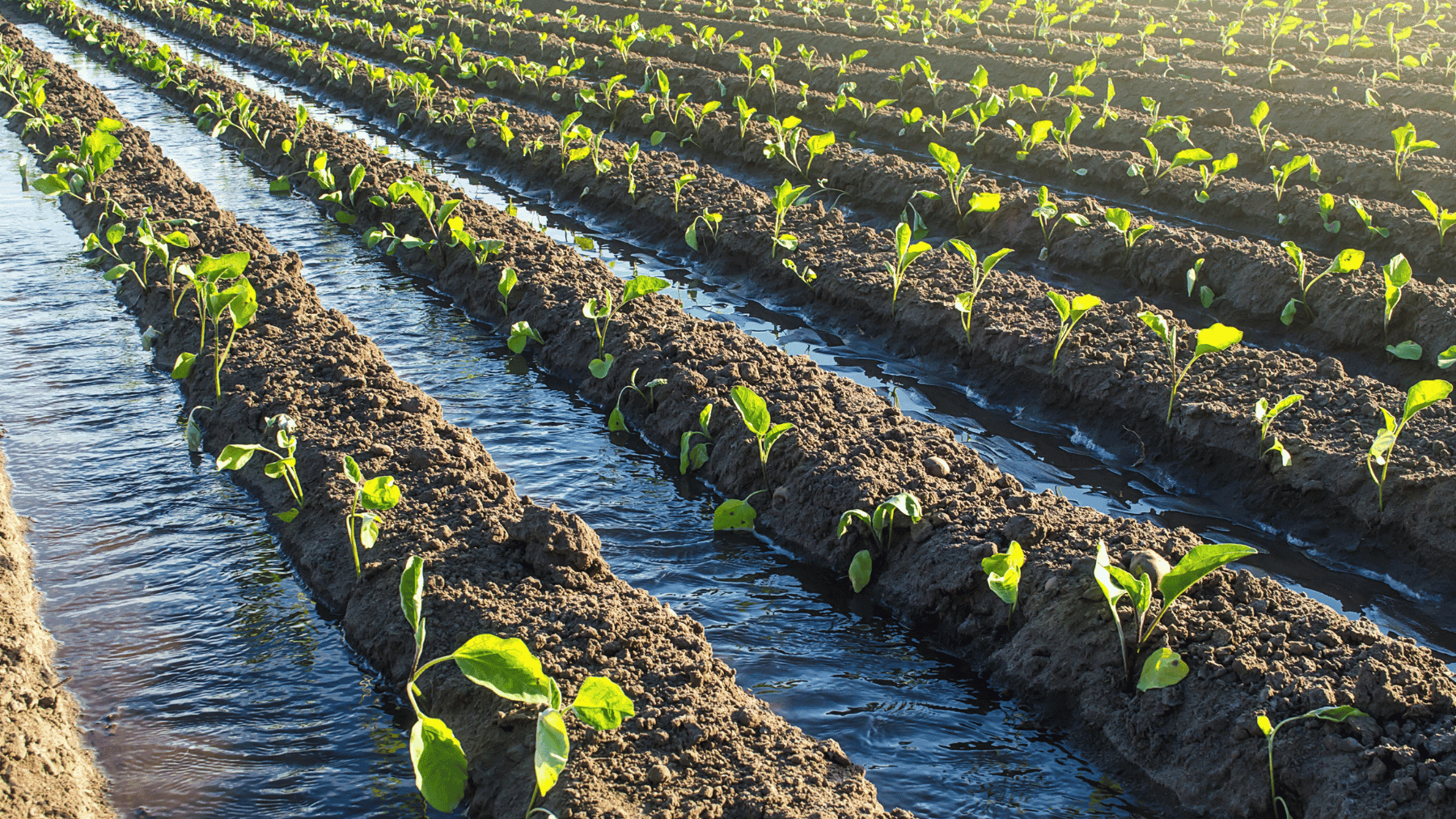
Water is the foundation of agriculture and a resource under growing strain from climate change and rising demand.
Water replenishment is the practice of returning water to the environment in a volume equivalent to what operations consume, restoring balance to the catchments that farms and businesses depend on. According to UNESCO, agriculture accounts for nearly 70% of global freshwater withdrawals, placing the sector at the center of any replenishment effort.¹
This guide explains what water replenishment is, the methods behind it, who is involved, and the benefits it delivers.
What is Water Replenishment?
Water replenishment is a structured approach to returning the equivalent of water used back to nature. Rather than focusing only on using less, it actively restores water to catchments through regenerative practices, informed irrigation, and rainwater capture.
The aim is to account for every unit of water and ensure it is used effectively, making replenishment a core component of sustainable water management and corporate net-zero water commitments.
The Difference Between Water Replenishment and Water Conservation
Water conservation focuses on reducing the volume of water used within an operation.
Water replenishment goes further by restoring water to the environment to offset what is consumed, aiming for a net-positive balance.
In short: Conservation reduces demand, while replenishment closes the gap between what is taken and what is returned.
Key Principles of an Effective Water Replenishment Program
A credible water replenishment program rests on a set of consistent principles drawn from field-proven practice:
- Accounting for every unit of water used and returned
- Localized design based on climate, soil health, and crop needs
- Measurable, verified outcome rather than estimates
- Capacity building that supports long-term farmer livelihoods
Doktar's replenishment framework is structured around three core pillars: reducing water loss through regenerative agriculture, reducing water consumption through informed irrigation, and capturing water through rainwater harvesting. Together these strengthen soil health and build resilience to climate variability.
Why is Water Replenishment Linked to Net Zero Goals?
Water replenishment is central to corporate sustainability because water-intensive industries, particularly food and beverage, have set ambitious net-zero water goals across their supply chains. Replenishment provides the mechanism to meet them.
From Fields to Streams: Tracing the Journey of Replenished Water
Replenished water follows a path from farm-level action to catchment-level benefit. Regenerative practices improve soil retention, informed irrigation reduces consumption, and rainwater harvesting supplements supply.
Each intervention returns water to the broader cycle, connecting individual fields to the streams and aquifers that sustain entire regions.
Who Are the Main Stakeholders in a Water Replenishment Program?
Water replenishment depends on collaboration across the agricultural value chain, because no single actor restores a catchment alone.
The most central components include:
The Role of Corporations and Farmers in Replenishment Projects
- Corporations fund replenishment and set water sustainability targets. Doktar has collaborated with global companies including Coca-Cola, Cargill, Danone, and Nestlé to advance corporate water sustainability goals.
- Farmers implement the field-level practices that generate water benefits, and they gain improved yields and incomes in the process.
A structured corporate water replenishment program connects these interests, aligning corporate goals with on-farm action.
How Watershed Partnerships and NGOs Support Replenishment Efforts
Replenishment extends beyond the farm by equipping stakeholders with tools and knowledge. Watershed partnerships coordinate action across the many users who share a catchment, while implementation partners provide the technical expertise to design and run projects that deliver lasting results.
What Are the Core Methods Used in Water Replenishment Programs?
Effective replenishment combines several complementary methods, each addressing a different part of the water balance.
Rainwater Harvesting, Aquifer Recharge, and Wetland Restoration
Rainwater harvesting: Artificial reservoirs store rainwater, providing backup supply during dry periods and creating water buffers that safeguard yields.
Aquifer recharge: Returning water to underground sources reduces pressure on groundwater extraction.
Regenerative practices: Cover cropping and reduced tillage improve soil health, water retention, and erosion resistance.
These methods are monitored to ensure efficient use and transparent reporting.
How to Choose the Right Replenishment Method for Your Watershed
The right method depends on local climate, soil conditions, and crop requirements. Doktar combines these localized insights with tools such as the FlowMeter and satellite monitoring to tailor solutions to each region, enabling adaptability across different climates and geographies.
What Are the Business and Climate Benefits of Water Replenishment?
Water replenishment delivers value for both operations and the environment:
Progress toward net-zero water goals and sustainability commitments
Enhanced environmental credibility with stakeholders
Climate resilience through stronger soil health and water buffers
Improved crop outcomes, including increased yields and farmer incomes
Reduced groundwater extraction and greater water availability
By reducing water loss, optimizing consumption, and supplementing supply, replenishment conserves water while improving productivity.
What Are the Challenges of Running a Water Replenishment Program?
Replenishment programs must overcome the limitations of conventional agriculture, where large volumes of water are lost to evaporation, runoff, and over-irrigation without technology and science-backed strategies. Further challenges include ensuring measurable, verifiable outcomes and building the digital and financial literacy that long-term success requires.
Precision-oriented tools and structured methodologies address these barriers by ensuring every unit of water is accounted for.
Frequently Asked Questions About Water Replenishment Programs
Which industries benefit most from water replenishment initiatives?
Water-intensive sectors benefit most, particularly food and beverage and other large FMCG companies that depend heavily on agricultural inputs and face pressure to manage their water footprint responsibly.
How can small businesses contribute to water replenishment?
Smaller operations can contribute by adopting regenerative practices, applying informed irrigation, and partnering with established programs. Standardized measurement through VWBA allows even modest efforts to be quantified and reported credibly as they scale.
How Doktar Supports Water Replenishment in Agricultural Landscapes
Replenishment is a claim about volume returned to a catchment, which means it stands or falls on measurement.
Doktar closes that gap by instrumenting the field, metering the water, and carrying both into accounting frameworks that hold up under external review:
Irrigation scheduled against measured conditions
Doktar's FieldStation transmits continuous soil moisture and soil temperature readings from multiple sub-surface depths, alongside air temperature, relative humidity, and precipitation. Multi-depth profiling identifies whether applied water is held in the active root zone or lost below it, which is where most avoidable withdrawal occurs.
Combined with satellite monitoring and AI models inside Doktar App, this produces scheduling driven by actual root zone depletion.
Regenerative practice, tracked as a hydrological variable
Cover cropping, reduced tillage, and organic matter building alter infiltration and water holding capacity.
On-field sensor networks make those changes observable over seasons rather than asserted, turning soil health work into a documented contribution to catchment recharge.
Metered application and captured volume
FlowMeter applies pulse-based flow monitoring to irrigation lines and harvesting infrastructure, recording flow rate, total applied volume, and anomalies including leaks and unrecorded draw. Rainwater harvesting systems monitored this way produce captured-volume records rather than design-capacity estimates.
Accounting that converts data into recognized claims
Doktar's Sustainability Platform structures field measurement into program-level impact reporting and traceability workflows, supplying the quantification and tracking steps that methodology requires.
Delivered through programs with major food and beverage manufacturers, this architecture has produced measurable water outcomes alongside yield and farmer income gains. To build a data-driven replenishment program, explore Doktar's water management framework.
References
1. Unesco. Water for Prosperity and Peace.